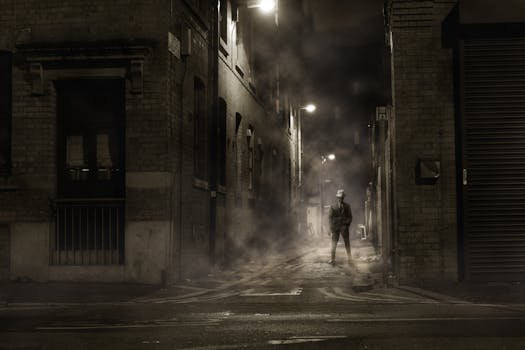
Is a film connoisseur able to appreciate, and even enjoy, a science fiction film if they typically despise this genre? What if that science fiction film was inspired by, and even produced like, 1940’s film nior? That’s right; sci-fi crossed with dark spaces, rainy streets, seedy detectives, and a femme fatale, produces one of the most relatable science fiction motion-pictures of the twentieth century, Ridley Scott’s 1982 Blade Runner.
There are seven versions of Blade Runner. The scope of this work focuses on the seventh cut, known as The Final Cut. The Final Cut is believed to be Scotts’ definitive vision and was released in 2007, the 25th anniversary of the original film. The Final Cut gave Scott full creative control and is the closest to his original vision for the story (Allan). The Final Cut marries pieces from all prior versions, including the gorier scenes from the International Cut, and the extended unicorn sequence that was cut from the Directors Cut (Allan).
Often, science fiction films are so unreal or out of this world, it is difficult for the average person to relate. The integration of film nior into science fiction shows Scott’s genius. It makes the film enjoyable, timeless, and accessible to all. Interestingly, Hollywood, and Scott’s investors, did not understand the idea of film nior. Blade Runner was not a hit in the box office but is now considered a cult classic (How).
Blade Runner is set in the future year of 2019. Cars are flying and earth, specifically the streets and skies of Los Angeles, is a Gothic City-Esque type of dystopia. Harrison Ford plays Rick Deckard, a washed-out detective who is an experienced Blade Runner, individuals tasked with retiring replicants. The replicants, nearly human, slaves, engineered by the Tyrell Corporation, went rouge and there are four that they know of, on earth, attempting to prolong their short, four-year, life by any means necessary.
Through a series of action, and adventure madness, Deckard retires the replicants, but not without help. In his quest to identify the four replicants, Deckard falls for Rachel (Sean Young). Rachel is a replicant who believes she is human, until Deckard puts her to the test. Rachel is the perfect 1940’s fem fatale smoking her long elegant cigarette, with her dark rolled hairdo and high shoulder pads. She saves Deckard’s life and he is hooked. They end the film, leaving together with audiences asking, can a human love a replicant? What constitutes a human? Is Deckard a replicant or a human?
Blade Runner being set in 2019 in the year 1982, they had no idea what the future would hold. Now that it is seven years past their futuristic date, Blade Runner can be viewed through a lens of what really came to fruition by 2019. Is the world on the path to abyss and destruction as indicated in the film? If one were to visit Skid Row in Los Angeles or Kensington in Philadelphia, the answer would be yes. These areas have actual humans who have become zombies. It is eerily telling while there are no flying cars, there are self-driving cars, and corporations have absolutely taken over nearly every aspect of life in The United States. Science pushes the limits of sanity. Robots are real and billionaires believe they are God. The future is here.
Works Cited
Allan, Scoot. “The 7 Different Versions Of Blade Runner, Explained.” CBR, Valnet Publishing
Group.1 NOV 2021. cbr.com/blade-runner-different-versions-explained/. Accessed 20 April 2026.
“How film noir influenced Blade Runner’s beautiful darkness.” Dazed Media.
dazeddigital.com/film-tv/article/37550/1/how-film-noir-influenced-blade-runners-darkness. Accessed 20 April 2026.